Fall bakingUpdated
Fall Baking for Pie Season: The Thanksgiving Apple and Pumpkin Kit
Quick picks
- Best overallPyrex 9-inch Glass Pie Plate
A plain nine inch glass pie dish, made in the USA, so you can see whether the bottom crust has browned.
Check price on Amazon: Pyrex 9-inch Glass Pie Plate (opens in a new tab) - Best budgetTaylor Oven Thermometer, 2-Pack
Two dial oven thermometers that hang from or stand on a rack, reading 100 to 600F.
Check price on Amazon: Taylor Oven Thermometer, 2-Pack (opens in a new tab) - Worth the upgradeJ.K. Adams French Tapered Rolling Pin, 20.5 x 1.75 in
A 20 1/2 by 1 3/4 inch French tapered pin in North American hardwood, finished lightly in beeswax and made in the USA.
Check price on Amazon: J.K. Adams French Tapered Rolling Pin, 20.5 x 1.75 in (opens in a new tab)
Soggy bottoms and shrinking fillings are how apple and pumpkin pies go wrong. The kit and timing that fix both, from a fall practice pie to Thanksgiving Day.
Pie has an undeserved reputation for being difficult. It is not difficult. It is unforgiving of two specific mistakes, both invisible until you cut into it, and both solved by equipment and temperature rather than by skill.
Mistake one is the soggy bottom: a pale, damp, slightly raw base that never set because the filling steamed it from above before the oven could crisp it from below. Mistake two is the gap: a filling that shrinks away from the lid, leaving an inch of air under a beautifully domed crust.
Fall is the time to fix both, because Thanksgiving falls on November 26 this year. Bake one practice apple pie and one pumpkin pie in the next few weeks, while nothing depends on them, and the pies on the Thanksgiving table will be your second attempt rather than your first.
The picks
Pyrex 9-inch Glass Pie Plate
A plain nine inch glass pie dish, made in the USA.
Not because glass bakes best, but because it is the only common material that lets you see whether the bottom crust has actually browned. A pale bottom is the most common home pie failure, and ceramic hides it until the first slice comes out. For a practice pie in October, being able to lift the dish and look underneath is worth more than a marginally faster-browning metal pan.
Worth knowing: Glass dislikes sudden temperature change. A chilled pie should stand on the counter for ten minutes before it meets a preheated sheet pan, and never go straight from the freezer to the oven.
Skip it if: You already judge doneness confidently by time and smell; a metal pan will brown the base faster.
Taylor Oven Thermometer, 2-Pack
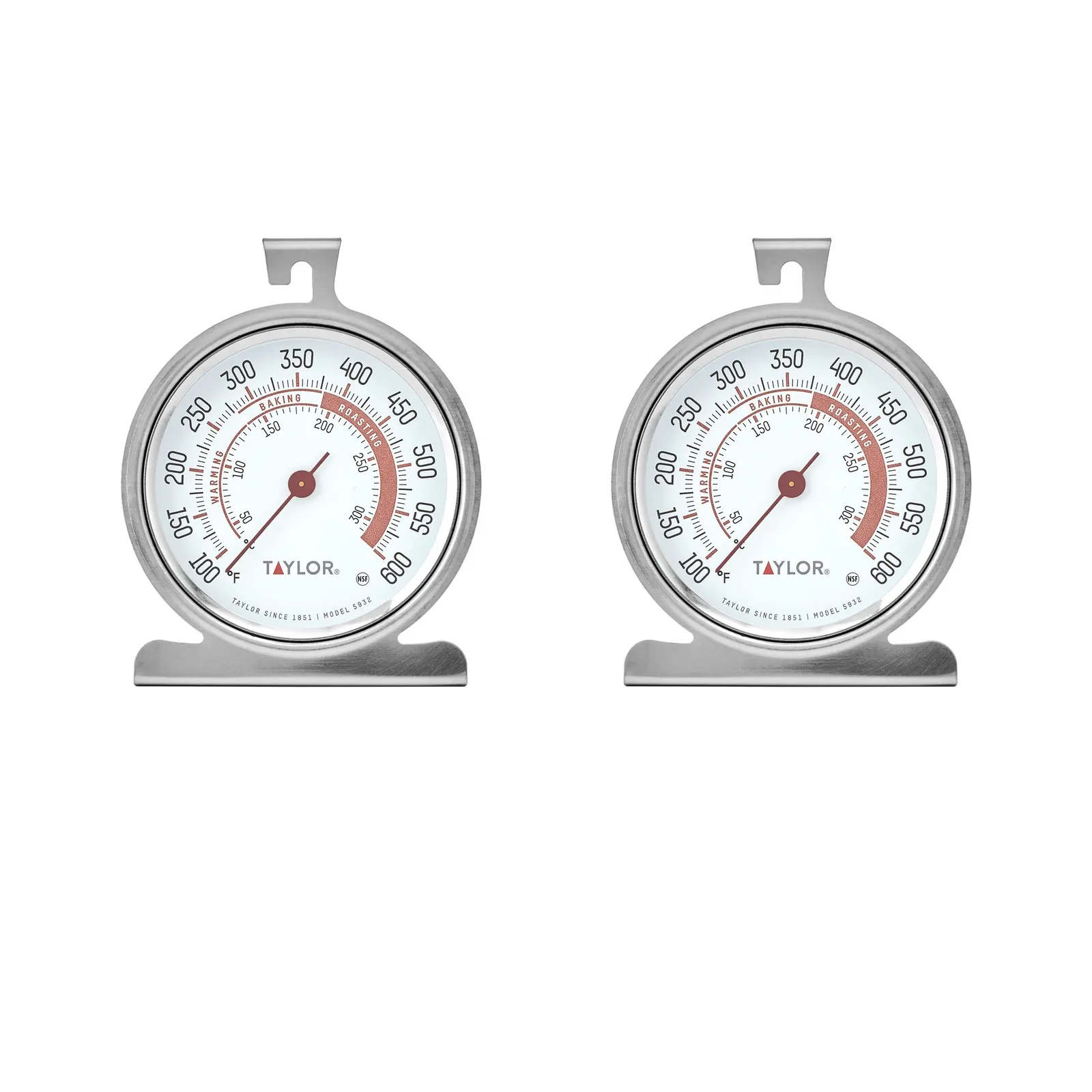
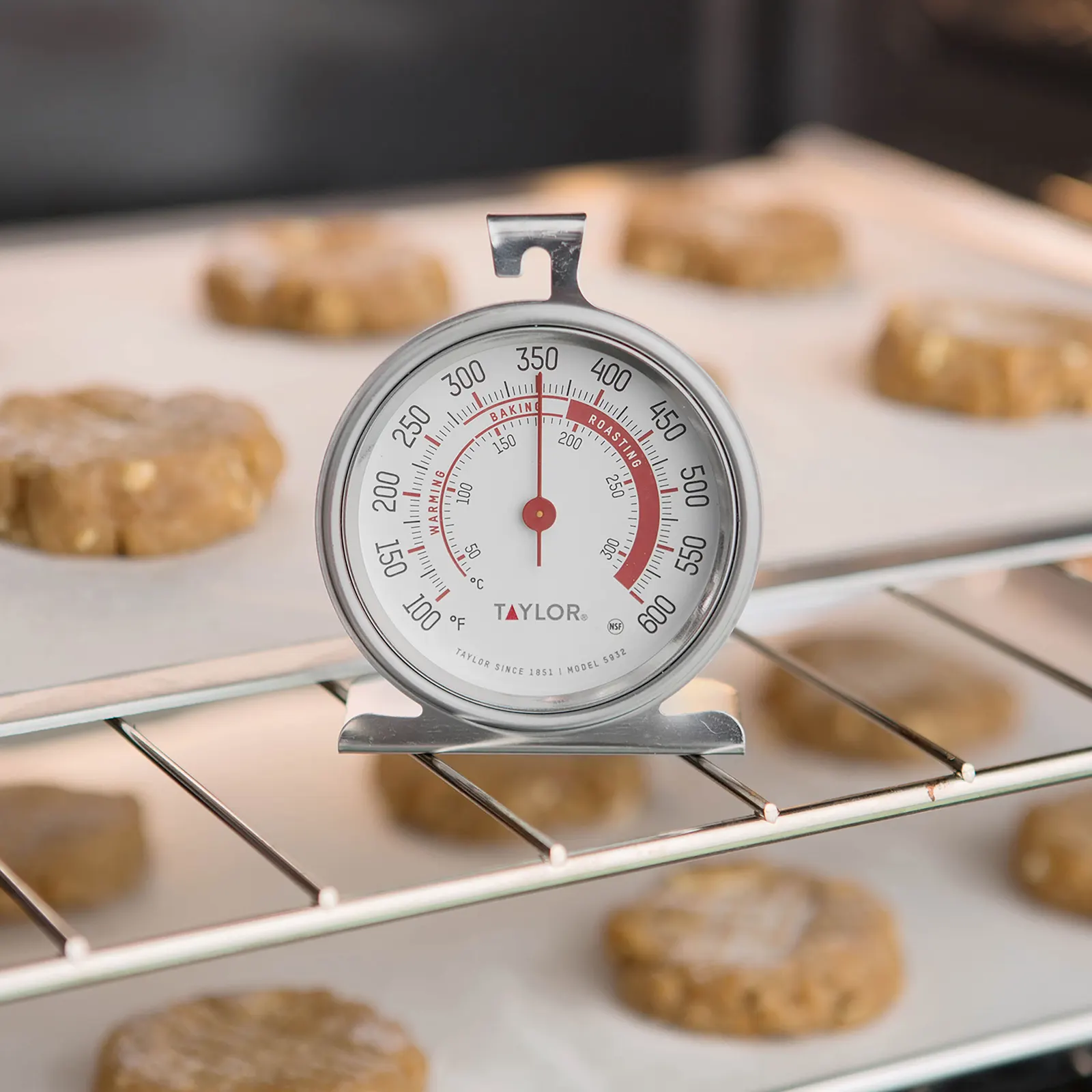
A dial thermometer that hangs from the rack or stands on it, 100 to 600F. Two thermometers in the pack.
The hot start only works if the oven is genuinely at the temperature you set. Fifteen minutes at a real 425F is what sets the bottom crust before the filling starts releasing water; fifteen minutes at a claimed 425F that is actually 390F is how you get a soggy base. On Thanksgiving week, when the oven door opens constantly, it also tells you how long the oven takes to recover.
Worth knowing: Two is not overkill. Ovens run hotter at the back, and the second one tells you by how much.
Skip it if: You have checked your oven against a thermometer recently and it holds true at pie temperatures.
J.K. Adams French Tapered Rolling Pin, 20.5 x 1.75 in
A French tapered rolling pin, 20 1/2 by 1 3/4 inches, in sustainably harvested North American hardwood, finished lightly in beeswax and made in the USA. Hand wash only and never submerge.
The tapered ends let you pivot and steer, which is how you roll an even round rather than an oval. With no handles, your palms are on the pin itself, so you feel when one side of the dough is thinner than the other. At over twenty inches long it covers a round big enough for a nine inch dish in long, even strokes, which means fewer passes and colder butter in the dough.
Worth knowing: A handleless pin takes a few pies to get used to. It cannot go in the dishwasher or be soaked; scrape it clean and wipe it.
Skip it if: You already own a pin you like, or you have wrist trouble and prefer a straight pin with handles.
The rest of the kit comes straight from the fixes below: a heavy pan to preheat under the pie, weights for the pumpkin shell, and a scraper to move rolled dough.
Nordic Ware Naturals Half Sheet, 2-pack
Uncoated heavy gauge aluminum, eighteen by thirteen inches, made in the USA, with an encapsulated galvanized steel rim. This listing is a 2-pack.
This is the single biggest fix on the page. A heavy sheet pan preheated on the lower rack dumps heat straight into the base of the pie and catches the drips. The 2-pack suits a holiday: one pan preheats for the apple pie while the other carries the pumpkin shell through its blind bake.
Worth knowing: Uncoated aluminum discolors with use. Line it with foil or parchment under a juicy apple pie.
Skip it if: You already own a heavy rimmed half sheet that does not warp in a hot oven.
Mrs. Anderson's Baking Ceramic Pie Weights, 270 count
Natural ceramic stoneware weights, food safe, heat safe up to 480F and microwave safe, not dishwasher safe. HIC lists its item 108 as 135 weights; this listing is the 270-count.
Blind baking without weights gives a shell that slumps down the sides and puffs in the middle, and almost every pumpkin pie failure traces back to skipping the blind bake. Spread the weights over parchment, pushed well up against the sides.
Worth knowing: They stay hot long after the shell comes out, so lift them out in the parchment. Wipe or hand wash without soap, and let them dry fully before storing.
Skip it if: You are happy keeping a labeled jar of dried beans for the job.
OXO Good Grips Multi-Purpose Scraper and Chopper
A flat rectangle of stainless steel with a handle and a ruler along one edge.
It cuts cold butter into flour, lifts rolled dough off the counter without stretching it, which is how you get a shell that does not shrink down the sides, and the ruler edge checks the size of your round.
Worth knowing: The edge is blunt by design, so it will not cut through a finished crust neatly. It is for dough, not slicing.
Skip it if: You already own a metal bench scraper.
How they compare
| Pick | Best for | Key spec | Trade-off |
|---|---|---|---|
| Pyrex 9-inch Glass Pie Plate | Seeing the bottom crust | Nine inch glass | Dislikes sudden temperature change |
| Taylor Oven Thermometer, 2-Pack | A hot start that is actually hot | Dial, 100 to 600F | Needs time to settle |
| J.K. Adams French Tapered Rolling Pin | Even rounds and dough feel | 20 1/2 x 1 3/4 in hardwood | Learning curve; hand wash only |
| Nordic Ware Naturals Half Sheet, 2-pack | Preheating under the pie | Heavy uncoated aluminum, 18 x 13 in | Discolors with use |
| Mrs. Anderson’s Ceramic Pie Weights | Blind baking pumpkin shells | Stoneware, heat safe to 480F | Not dishwasher safe |
| OXO Multi-Purpose Scraper | Moving rolled dough | Stainless blade with ruler | Not a slicer |
How to choose
Buy for what you need to see
If you are still learning, glass. Seeing a browned base teaches you more than a faster-browning metal pan does.
Fix the heat before anything else
The thermometer and a heavy sheet pan do more for pie than any dish or pin.
Pick a pin for control
A tapered pin gives the most feel; a straight pin with handles is easier on wrists. Avoid a pin so light you have to press hard, because pressing is how dough gets overworked.
Weights or beans
Ceramic weights conduct heat into the shell and last for years. Dried beans work too, and become baking-only beans after the first use.
Why the bottom goes soggy, and the three fixes
Ovens heat from the bottom, but a glass or ceramic dish is an insulator, so the base of the pie is the coldest part exactly when it most needs heat.
Preheat a sheet pan on the lower rack and set the pie directly onto it.
Start hot. Fifteen to twenty minutes at a genuinely high temperature sets the base, then drop the heat to finish the filling.
Cook the apples first. Apples are mostly water. Cooking them briefly and letting them cool drives that water off in the pan rather than under the crust. It also fixes mistake two: raw slices collapse in the oven as their cells break down, while the crust has already set. Pre-cooked apples have already collapsed, so what goes in is what comes out.
The pumpkin problem is different
Pumpkin pie is a baked custard in a pastry shell, and the two want opposite things. Pastry wants a hot, fast oven; custard wants a gentle one and punishes overheating by cracking. Bake them separately. Blind bake the shell with weights until properly golden, then add the filling and bake at a lower temperature until the center still wobbles slightly. It sets as it cools.
Two things you can skip
A pie crust shield. A strip of foil folded over the rim does the same job and stores flat.
A pastry cloth. Rolling between two sheets of parchment needs no extra flour and lets you move the dough by peeling rather than lifting.
A Thanksgiving pie timeline
- The weekend before: make and wrap the dough; refrigerate it or freeze it.
- Tuesday: thaw frozen dough in the refrigerator, then cook and cool the apples.
- Wednesday: blind bake the pumpkin shell and bake the pumpkin pie, then the apple pie on a preheated sheet pan with a hot start. Refrigerate the pumpkin pie once cool; cover the apple pie and leave it at room temperature.
- Thursday: the oven belongs to everything else.
Then the hardest instruction on the page: let each pie cool completely before cutting. A warm fruit pie has not set, and cutting it early is how a pie that did everything right ends up in a puddle.
Frequently asked questions
How far ahead can I make pies for Thanksgiving?
Make the dough the weekend before: it keeps a couple of days in the refrigerator and much longer frozen. Bake pumpkin pie the day before and keep it refrigerated, since it is a custard. Apple pie can also be baked the day before and kept covered at room temperature, which frees the oven on the day.
Is a glass or metal pie dish better?
Metal browns fastest; glass browns a little more slowly but lets you see the bottom crust, which matters most while you are still learning when a pie is done. Ceramic looks best on the table and hides the base. If you are not sure your crusts brown properly, start with glass.
Do you have to blind bake a pumpkin pie crust?
It is the most reliable way to avoid a pale, damp base. Pastry wants a hot oven and custard wants a gentle one, so baking the shell first with weights until golden gives each the heat it needs.
How do I keep the bottom crust from getting soggy?
Bake on a sheet pan preheated on the lower rack, start with fifteen to twenty minutes of high heat before turning the oven down, and cook apples briefly before filling so they give up their water in the pan. An oven thermometer confirms the hot start is actually hot.
What can I use instead of pie weights?
Dried beans or rice on a sheet of parchment do the same job. Once baked they are no longer good for cooking, so keep them in a labeled jar for blind baking only.
Keep reading
Fall baking
Fall Baking Essentials: The Tools That Actually Earn Their Space
Fall baking asks more of a kitchen than summer does. The tools that change October results, the ones that make the work pleasant, and what to skip.
Fall baking
Fall Baking Ideas: 12 Bakes and the Kit Each One Actually Needs
Twelve fall bakes ordered by how much equipment they demand, from a one-bowl apple cake to overnight cinnamon rolls and a double crust pie, with the tools each needs.
Fall baking
Fall Baking Spice Shelf: What to Buy Whole, Grind and Throw Out
Warm spices carry the whole flavor of fall baking, and most shelves hold stale ones. Which to replace, which to buy whole, the tools that grind them and where to keep them.